Connecting to Cisco Small Business VPN from Ubuntu
Connecting to IPSec VPN gateways has always been one of the more painful things to do. Unfortunately Cisco is not helping by being extremely sluggish on making their utilities available on most recent OS revisions (you can’t even get their QuickVPN client to work properly on 64bit Win7 yet). Operating System support outside of Windows seems to be pretty much non-existent (see https://supportforums.cisco.com/thread/2040595).
Shame on you Cisco !
Option 1 – running QuickVPN under using wine
Download the QuickVPN client
Android 4.0 screenshot functionality on Galaxy Nexus
One of the features I missed since the good old Android 1.5 days was the ability to take screen-shots on the device. Prior to Android 4 (ICS) the only workable way to create screen-shots was to connect via USB cable and use the Android SDK to make remote screen-shots.
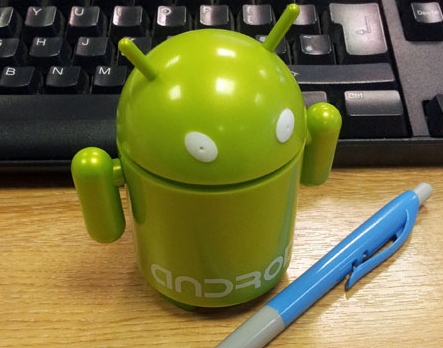 On Android 4.0 all you have to do is press Volume Down Key + Power Key down at the same time and hold. You should hear the camera click (if audio is on) and Android will show a notification that the screenshot was saved on your device and you can now upload or transfer to your favourite service.
Installing VideoLAN VLC 2.0 on Ubuntu 11.10
With the release of the final VLC 2.0 player you need to add a back-port (the next version 12.04 will have it included in the main repositories) PPA to Oneiric Ocelot (11.10)

sudo add-apt-repository ppa:n-muench/vlc
sudo apt-get update
sudo apt-get install vlc
Thanks to Nate Muench for providing this !
Finding a Notepad++ alternative / replacement on Ubuntu
One of the most important utilities on any computer is a decent text editing tool. Since there are as literally hundreds of text-editors out there you would think it is an easy task to find a similar one for each platform.

Creative Commons Attribution-Noncommercial 2.0 Generic License (http://creativecommons.org/licenses/by-nc/2.0/) by Thomas HawkAfter years of trialing on various Windows platforms I have found [Notepad++](http://notepad-plus-plus.org/ “Notepad++”) to be the most useful of them all (closely followed by EMEditor which I used for years before Notepad++). Since I have now switched to Ubuntu completely it was necessary to find a permanent alternative on that platform since Notepad++ is only available on Windows.
Ten iOS apps I can not do without ...
Since it seems everybody has to do one of these “10 <insert marginally useful term> I can not live without” articles here is my take.
The 10 Apple iOS Apps I can not live without
Enjoy ! I hope you find them as useful as I do. :)
Mobile sensors and the “Internet of Things” in learning
With the Internet of Things slowly becoming mainstream the potential uses of this technology can also be seen in the Education sector. This blogpost is the first installment of a series of posts that highlights practical examples that can be used in teaching and training.
Part 1 – Environmental Noise Monitoring

Creative Commons Attribution-Noncommercial-No Derivative Works 2.0 Generic License (http://creativecommons.org/licenses/by-nc-nd/2.0/) by leeanderNoise pollution has been a serious problem in many large cities all over the world and with the help of common mobile devices (smartphones) this can be easily measured, monitored and compared with a large quantity of samples from other cities/regions.
Education and the Internet of Things
Here are the slides from a presentation for the South Australian Department of Education & Childrens’ Development – Luchtime Bytes Series.
The original copy of this blogpost was posted on http://www.brightcookie.com/2011/11/education-and-the-internet-of-things/
Getting a handle on Ubuntu mobile power management
To get an idea on the current power usage and some suggestions on how to improve power-management ‘powertop‘ is a must-have.
sudo apt-get install powertop
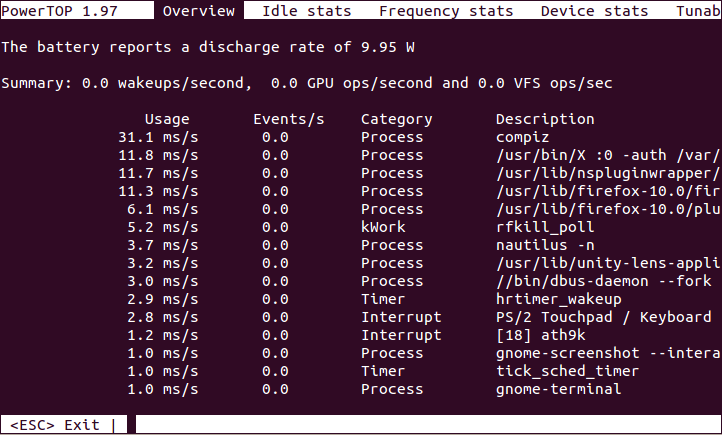
- Powertop Screenshot
Turning the Toshiba Z830 into a Ubuntu Ultrabook
[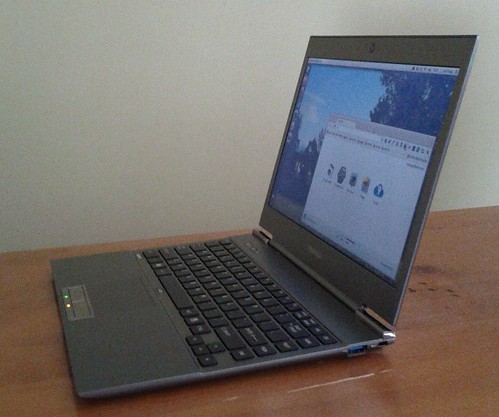 ](http://www.flickr.com/photos/leogaggl/6821823795/ “ultrabook by leogaggl, on Flickr”)
EDIT: Here are some tweaks if you install 12.04 (Precise Pangolin).
Since I will have to do a fair amount of traveling in the next year I was in need of upgrading my trusted workhorse of Toshiba Qosmio F60 to a more portable option that will be easier on the shoulders during long travels. After doing some research into which of the major manufacturers offer the best support for a Linux based Operating System it came down to a final two: the Intel i7 variants of Samsung Series 9 and the Toshiba Z830.
Mobile Browser Testing on the Desktop
If you need to check websites for mobile compliance on a regular basis you know that having a device to constantly check is painful and slows down your work during debugging and phases of constant change.

Creative Commons Attribution 2.0 Generic License (http://creativecommons.org/licenses/by/2.0/) by adactio
There are a few tools that will make this work a lot easier:
Using Google Goggles in mobile learning projects
One of the lesser known free Google services in our experience is Google Goggles. Specially in it’s lastest release (Version 1.7) it has received a few enhancements that make it very useful for some mobile learning applications
Scanning of barcodes
Google Googles will scan most standard barcodes and provide information on the product scanned.


Here is an example from the Google Mobile Blog:
Open Governance Index – measuring openness
This is an interesting report and info-graphic by the folks at VisionMobile on a new way of measuring the openness of some mobile open source projects.
The Open Governance Index measures the true openness of eight open source projects – Android, Qt, Symbian, MeeGo, Mozilla, WebKit, Linux and Eclipse – and analyses how governance, and not licenses, tell the full story of a project’s openness, across transparency, influence and control.